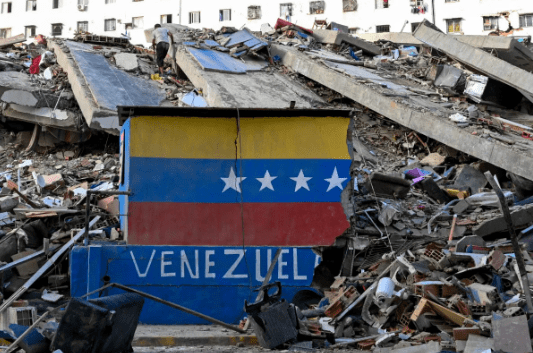
There are moments in life when distance becomes unbearable.
I’ve lived in Canada for almost twenty years. In many ways, it has become home. It’s where I’ve built my career as a Professional Engineer, where I’ve learned to think about the world through the lens of risk, resilience, and systems. Yet this week, every kilometre separating me from Venezuela felt impossibly long.
Like millions of Venezuelans living abroad, I wasn’t thinking about seismic magnitudes or fault lines when I heard the news. I wasn’t thinking about engineering at all.
I was thinking about my family.
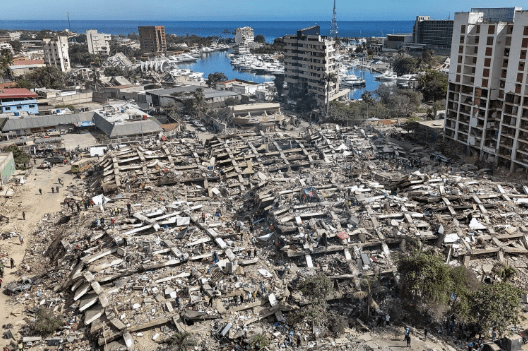
My mother and my brother live in Cumaná. As soon as I heard about the earthquake, I called home. Those few moments waiting for someone to answer felt endless. When I finally heard my brother’s voice, I experienced a relief that is difficult to put into words.
But the relief was short-lived.
His daughter was in Caracas, and she wasn’t answering her phone.
Minutes felt like hours. Like so many families that day, we waited, hoping the next call would bring good news.
It did.
She made it home safely the following day.
My family was safe.
I wish every Venezuelan had received the same phone call.
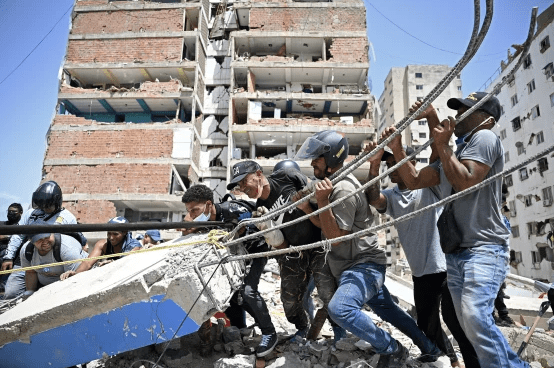
Over the days that followed, I found myself reading every article I could find, watching every image emerging from the devastation, hoping each update would bring news of another survivor. Instead, too often, it brought another reminder of how many lives had been changed forever.
Somewhere between the headlines and the photographs, I realized I was looking at this tragedy through two lenses that are impossible to separate.
One belongs to the daughter, the sister, the friend—the Venezuelan grieving for her country.
The other belongs to the engineer.
And the engineer in me keeps asking questions that are becoming increasingly difficult to ignore.
Not what happened.
We know what happened.
The earth moved.
The question is why the consequences were so devastating.
One of the first lessons engineering teaches us is that disasters are rarely the result of a single event. A hazard, by itself, is only part of the equation. Catastrophe occurs when that hazard meets vulnerability.
Earthquakes are inevitable.
Human vulnerability is shaped by the choices we make long before disaster strikes.
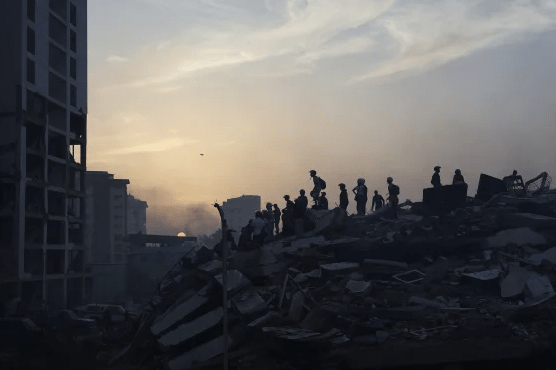
As engineers, we don’t design buildings for ordinary days. We design them for the day something goes wrong. We know that earthquakes will happen. We know that structures age, materials deteriorate, and systems fail. Our responsibility isn’t to eliminate uncertainty—that’s impossible. Our responsibility is to anticipate it, reduce vulnerability, and limit the consequences when failure occurs.
That’s what resilience means.
Watching buildings collapse has been heartbreaking, but what has stayed with me most isn’t only the images of concrete and dust. It’s the realization that catastrophic failures rarely begin on the day of the disaster.
They begin quietly, years earlier.
One of the lessons engineering teaches us is that risk accumulates without attracting attention. It grows through inspections that never happen, maintenance that is postponed, infrastructure that slowly deteriorates, regulations that aren’t enforced, and institutions that gradually lose the capacity to protect the people they were created to serve.
None of those decisions causes a catastrophe on its own.
But together, over years—sometimes decades—they create the conditions where a natural hazard becomes a human catastrophe.
One thought, in particular, has stayed with me all week.
As engineers, we often talk about deferred maintenance as though it’s simply an asset management issue. A reserve fund. A maintenance schedule. A budget line.
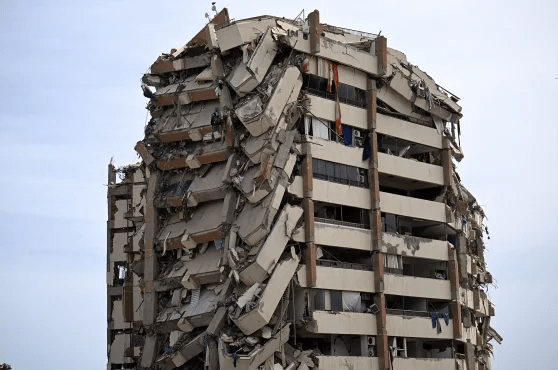
But what happens when maintenance is no longer a technical decision?
What happens when families have to choose between buying groceries and paying the condominium fees that keep an aging building maintained?
What happens when repairing a leaking roof, replacing deteriorated concrete, or addressing structural deficiencies becomes financially impossible—not because people don’t care, but because survival comes first?
In that moment, maintenance stops being an engineering problem.
It becomes an economic one.
Eventually, it becomes a humanitarian one.
That realization has been impossible for me to shake.
Living and working in Canada has undoubtedly shaped the way I think about infrastructure. For nearly two decades, I’ve worked in environments where engineering reviews, inspections, maintenance strategies, emergency planning, and risk assessments are part of everyday decision-making. None of these practices eliminate risk.
They never will.
What they do is reduce vulnerability.
And that distinction matters.
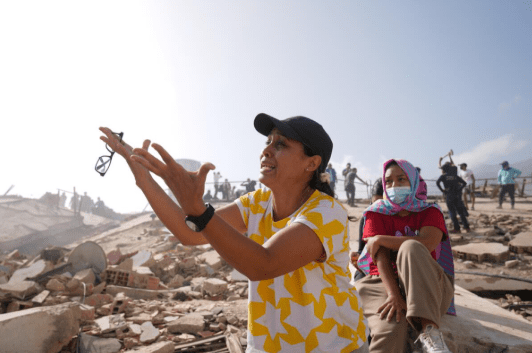
Watching Venezuela from thousands of kilometres away has reminded me that engineering has never been only about calculations, codes, or concrete. At its core, engineering is about protecting people. Every inspection completed, every maintenance program funded, every engineering recommendation implemented, every emergency exercise practiced, and every building code enforced is an investment in resilience. These aren’t bureaucratic exercises; they’re the invisible decisions that determine how a community responds when the unimaginable happens.
People often ask me whether, after living abroad for so many years, I still feel connected to Venezuela.
The answer has always been simple.
You never stop carrying the place that made you.
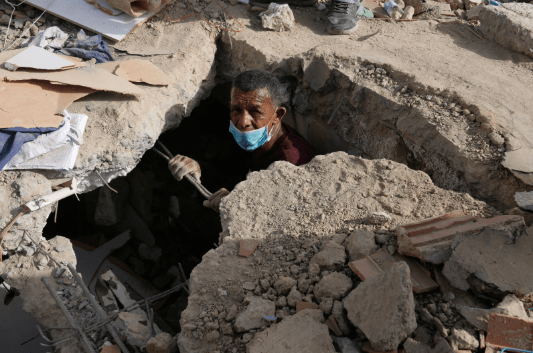
This week has reminded me that, no matter how many years I’ve lived in Canada, Venezuela is still home. Watching the news hasn’t felt like watching a disaster in another country. It has felt like watching neighbours, classmates, colleagues, and families who could just as easily have been my own.
My family was fortunate.
Many others were not.
And while no engineer can prevent an earthquake, I firmly believe societies can choose how vulnerable they become long before the ground begins to shake. They choose through the institutions they strengthen—or weaken. Through the infrastructure they maintain—or neglect. Through the standards they enforce—or ignore. Through the value they place on human life before it is tested.
I’ve spent almost twenty years helping industries understand risk.
This week reminded me that the greatest risks are not always found in mines, industrial facilities, or critical infrastructure.
Sometimes, they are found in the slow erosion of the systems meant to protect an entire society.
I don’t know what Venezuela will look like when this chapter is over.
I do know that, once the cameras leave and the headlines fade, the difficult work will remain. Rebuilding structures will take years. Rebuilding trust in the systems meant to protect people may take even longer.
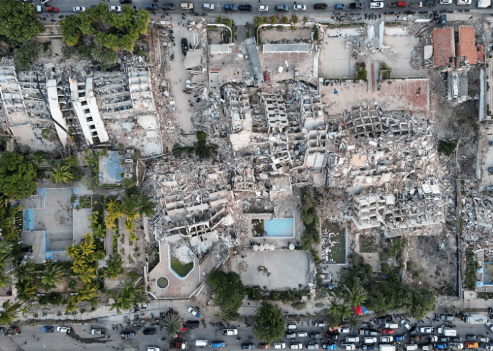
As engineers, we often say that every failure carries a lesson.
The real tragedy is when we choose not to learn it.
Earthquakes are inevitable. Human catastrophes are shaped by the choices we make long before the ground begins to shake.



Leave a Reply