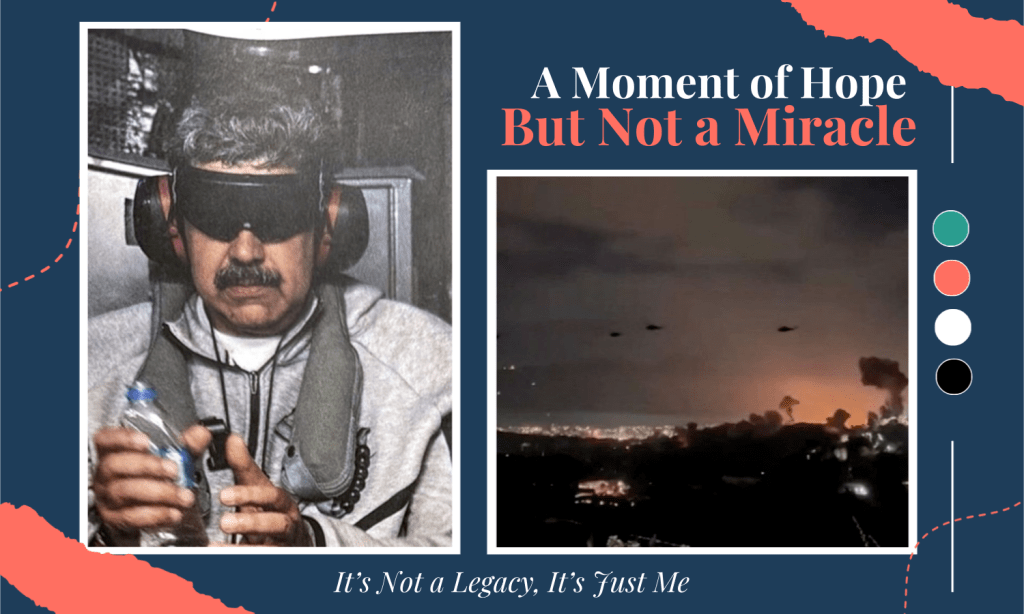
— What It Means to Me as a Venezuelan
I don’t usually write about politics. But today, as a Venezuelan who emigrated 17 years ago, I couldn’t stay silent.
On January 3rd, 2026, something historic happened.
Nicolás Maduro — who held onto power for over a decade after dismantling Venezuela’s economy, institutions, and dignity — was captured. Not overthrown. Not exiled. Captured.
By the DEA.
As a criminal.
As a wanted drug trafficker — not a president.
The operation wasn’t carried out by Venezuelan forces, but by the United States. He was taken alongside his wife to face charges of narco-terrorism and international drug trafficking. According to U.S. officials, Maduro’s regime had been intertwined with organized crime for decades.
This moment isn’t simple. It won’t fix everything.
But it matters.
I lived through the first 10 years of the so-called Bolivarian revolution — before it was even openly recognized as a dictatorship.
I witnessed the decline of PDVSA — once one of the most respected oil companies in the world — turned into a political tool, a shadow of what it was, stripped of technical expertise and meritocracy.
Nationalization, dressed up as empowerment, became a weapon of corruption. Institutions collapsed. Dreams shrank. Futures disappeared.
And like millions of others, I left.
Not because I stopped loving Venezuela — but because I couldn’t grow there. Because I needed oxygen. Dignity. Possibility for my Kids.
Since then, Venezuelans have tried everything.
We marched. We voted. We protested. We resisted.
We asked the world for help. And the world hesitated.
Until yesterday.
This wasn’t a coup.
This wasn’t an internal rebellion.
This was the lawful arrest of a narco‑terrorist — executed by international law enforcement, based on years of investigations and indictments.
And while some are debating the legality or the geopolitics, most Venezuelans — both at home and abroad — are simply feeling something that’s been dormant for far too long:
Hope.
It doesn’t mean:
- that peace arrived,
- that poverty disappeared,
- or that justice was suddenly restored.
But it means that, for the first time in a long while, consequence showed up.
I know it won’t be easy.
Transitions like this are messy. Rebuilding will take time.
There are no shortcuts. No miracles. Only long overdue work.
It will take structural change.
Economic recovery.
Institutional rebuilding.
And above all, trust.
But this moment — this crack in a long, heavy silence — reminds us that even the most entrenched systems are not immune to justice.
That accountability is possible.
That Venezuela still matters.
This isn’t about legacy.
It’s just me.
Writing this down so that one day, if my kids or grandkids read it, they’ll know:
On this day, history was made.
And maybe, finally, Venezuela gets to begin again.
El 3 de enero de 2026, algo histórico ocurrió en Venezuela.
Nicolás Maduro, quien se aferró al poder por más de una década mientras destruía la economía, las instituciones y la dignidad del país, fue capturado por la DEA para enfrentar cargos de narcotráfico.
No fue un golpe de Estado. No fue exilio. Fue justicia.
Como venezolana que emigró hace 17 años, este momento representa una chispa de esperanza. No lo resuelve todo, pero marca un antes y un después. Ojalá este sea el inicio de un nuevo capítulo: con consecuencias reales, reconstrucción, y, con el tiempo, una Venezuela que vuelva a soñar.
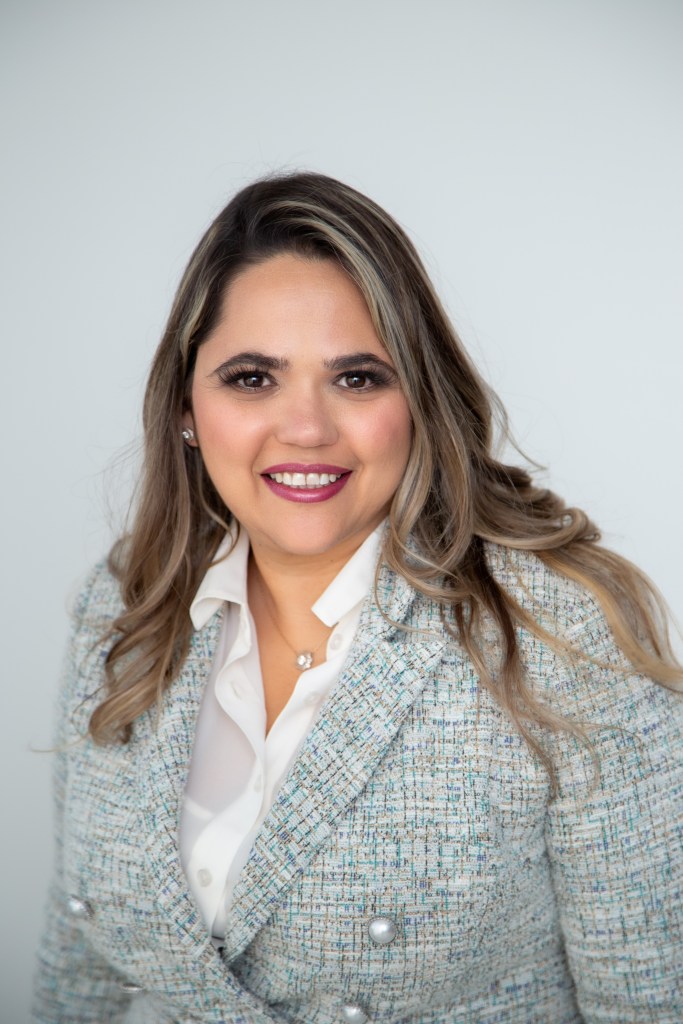


 Mairim Neves
Leave a comment