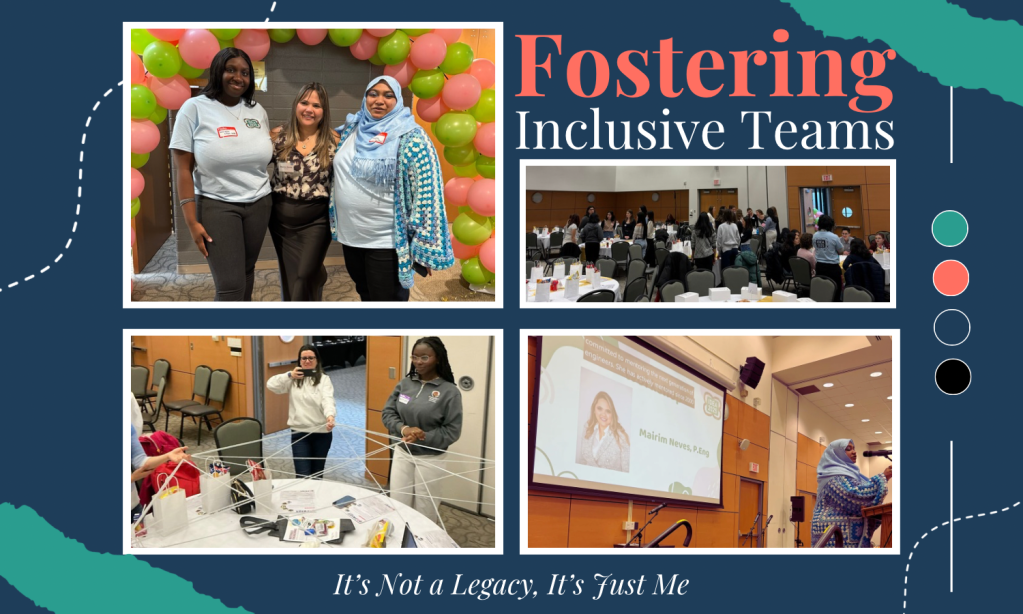
Last January, I had the incredible opportunity to facilitate a workshop at the 5th Annual IDEA Conference at McMaster University, an event dedicated to advancing Equity, Diversity, and Inclusion (EDI) in engineering. It was an honor to engage with such a diverse and passionate group of students and professionals from NSBE McMaster, McMaster Women in Engineering Society, McMaster EngiQueers, McMaster Engineers with Disabilities, and the McMaster Chapter of the American Indigenous Science and Engineering Society.
Building Bridges: Fostering Psychological Safety and Emotional Intelligence at the IDEA Conference 2025
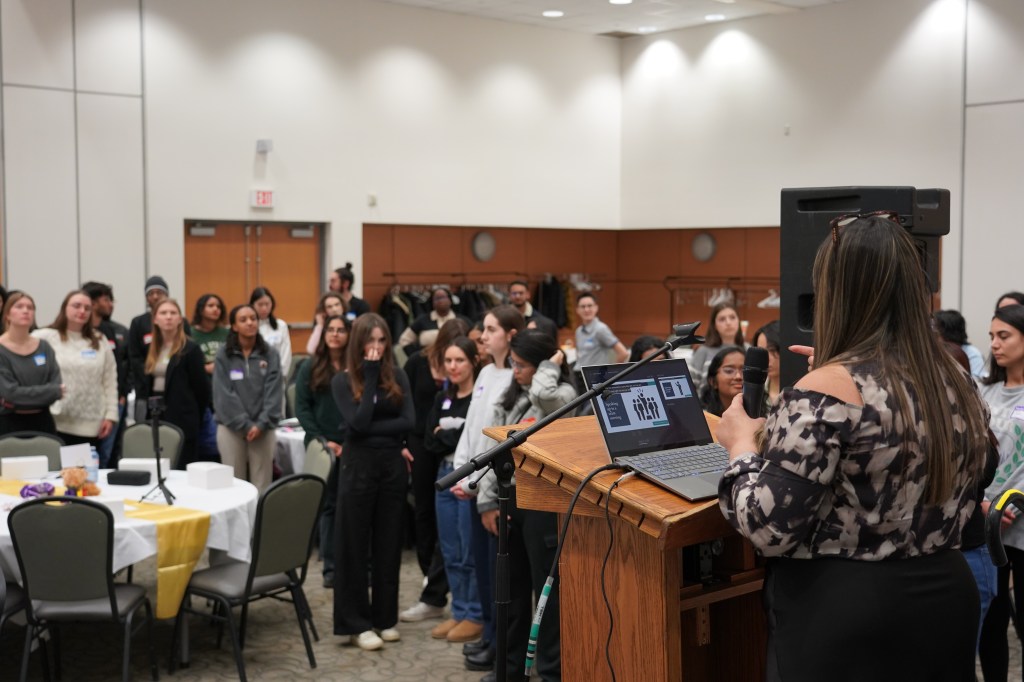
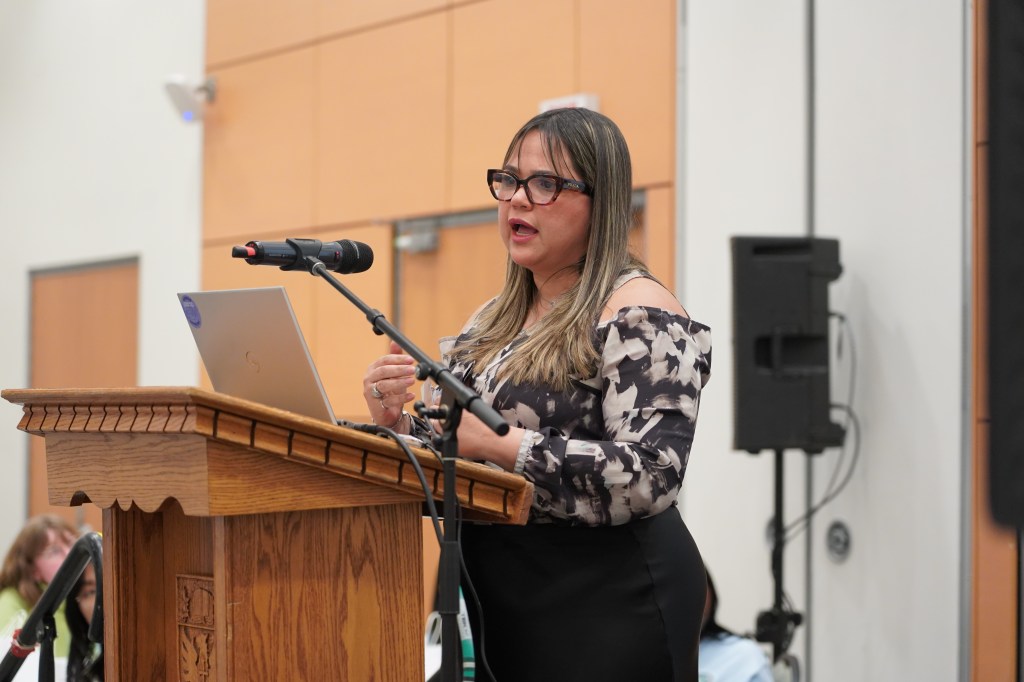
The focus of my workshop was psychological safety and emotional intelligence, two crucial aspects of fostering inclusive and high-performing teams in engineering and beyond. In an industry that thrives on innovation and collaboration, creating spaces where individuals feel safe to express ideas, take risks, and challenge the status quo is essential.
Why Psychological Safety Matters
In any professional or academic setting, psychological safety is the foundation for innovation, teamwork, and growth. It allows people to ask questions, share ideas, and admit mistakes without fear of embarrassment or retaliation. Throughout the session, we explored The Four Stages of Psychological Safety and how leaders and teams can work together to build a culture of trust.

The Role of Emotional Intelligence
Emotional intelligence (EQ) plays a crucial role in how we interact, collaborate, and lead. By understanding and managing our own emotions while recognizing those of others, we can create stronger, more empathetic relationships. The session focused on self-awareness, empathy, and emotional regulation as key components in fostering a supportive and inclusive environment.
Engaging Activities: Learning Through Experience
One of the best parts of the workshop was the interactive activities that helped bring these concepts to life:
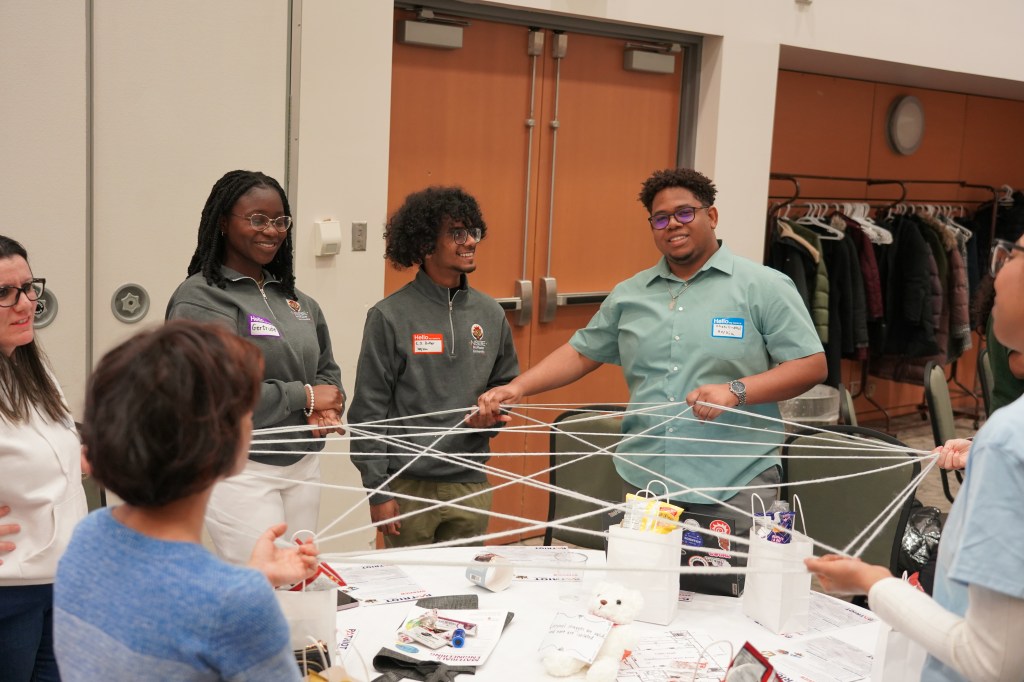
- The Web of Connectivity (Icebreaker): Participants formed a web with yarn by answering prompts about their experiences, visually demonstrating how we are all interconnected.
- Empathy Mapping: Small groups analyzed different personas, stepping into someone else’s shoes to understand their thoughts, feelings, words, and actions. This exercise highlighted the power of perspective-taking in diverse teams.
- The Safety Spectrum: Attendees physically positioned themselves along a spectrum in response to workplace scenarios, prompting insightful discussions about what makes people feel included or excluded.
It was inspiring to see participants engage in deep conversations and share their perspectives on fostering inclusion in their own teams and workplaces. The energy in the room reinforced the importance of representation, support, and safe spaces in STEM fields.
Key Takeaways
At the end of the session, I asked participants: “What is one action you will take to foster psychological safety?” The responses were inspiring—ranging from actively listening in meetings to ensuring that all voices are heard in group discussions.
This workshop reaffirmed that creating a psychologically safe and emotionally intelligent workplace is not just a leadership responsibility—it’s something each of us can contribute to, no matter our role.
Whether you are a student, an engineer, or a leader, one key takeaway from this session is: Your presence and voice matter.
We all have the power to create change, uplift others, and contribute to an environment where innovation and inclusion go hand in hand.
Being part of IDEA 2025 was an amazing experience. The discussions, insights, and shared experiences reinforced my passion for building bridges between diverse voices in engineering and beyond. I’m grateful to McMaster University and the organizing teams for this opportunity, and I look forward to continuing this important conversation in future workshops!
Have you experienced psychological safety in your workplace or academic setting? Drop a comment and let’s discuss!
El pasado fin de semana tuve la oportunidad de facilitar el taller “Building Bridges: Psychological Safety and Emotional Intelligence” en el IDEA Conference 2025 de la Universidad McMaster. El evento reunió a profesionales, estudiantes y líderes de la industria para explorar la interseccionalidad en la ingeniería.
Mairim
La seguridad psicológica es clave para fomentar la innovación y la colaboración en los equipos. Durante la sesión, exploramos las cuatro etapas de la seguridad psicológica y cómo crear entornos donde todos se sientan valorados y escuchados.
También abordamos la inteligencia emocional (EQ) como herramienta esencial para la inclusión. Aprender a reconocer y gestionar nuestras emociones, así como las de los demás, fortalece las relaciones y mejora la comunicación.
El taller incluyó dinámicas prácticas que hicieron la experiencia aún más enriquecedora:
Web de Conectividad: Un ejercicio con hilo que mostró cómo estamos interconectados.
Mapa de Empatía: Un análisis de diferentes perspectivas para desarrollar empatía.
Espectro de Seguridad: Reflexión sobre situaciones que pueden hacernos sentir incluidos o excluidos.
Al final, pregunté: ”¿Qué acción tomarás para fomentar la seguridad psicológica?” Las respuestas fueron inspiradoras y reafirmaron la importancia de construir espacios seguros y empáticos.
Participar en IDEA 2025 fue una experiencia increíble. Me llevo muchas reflexiones y ganas de seguir impulsando el cambio. ¡Gracias a la Universidad McMaster y al equipo organizador por esta oportunidad!



 Mairim Neves
Leave a comment