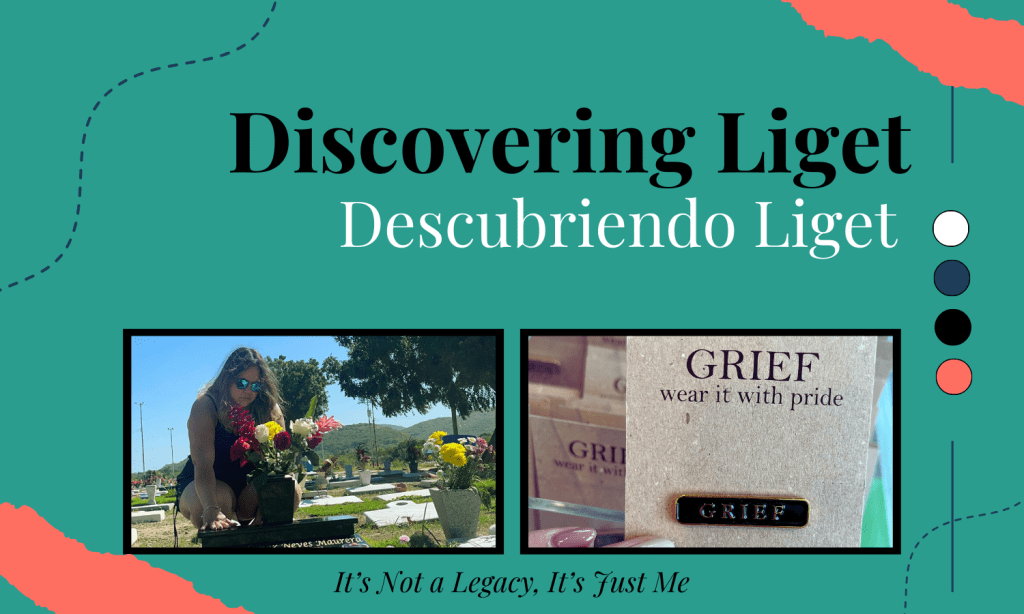
When my father passed away, I did what many people might not expect—I got up the next day and continued working as if nothing had happened. I held my grief tightly, crying silently, but it never stopped me from showing up, from working day and night, from saying “yes” to every project and activity around me. I traveled more than ever, filling my days to the brim, pouring all my energy into movement and action. And yet, every morning and every night, I cried.
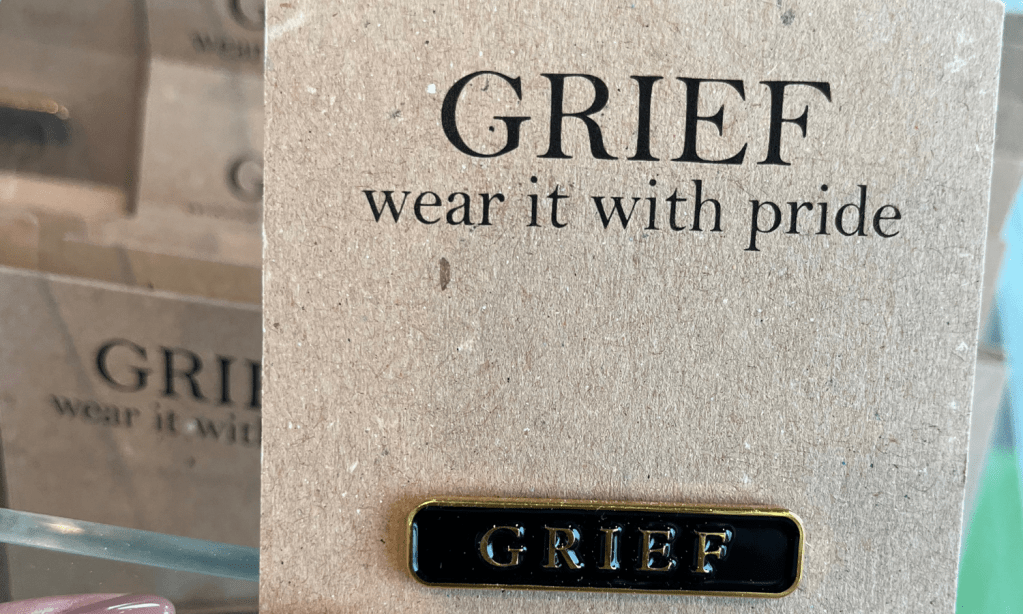
This pattern lasted for nearly ten months. I didn’t stop, I didn’t slow down. I carried my grief like a silent engine that fueled me, propelling me forward when I didn’t know how to sit still with my pain.
Today, for the first time, I heard the word liget—an emotion described by the Ilongot people of the Philippines. It’s a word that doesn’t have a direct translation in English, but it encompasses a powerful, passionate energy—a mix of rage, grief, vitality, and intensity. For the Ilongot, liget was often linked to loss and the need to channel overwhelming emotions into action, creativity, or expression.
Hearing this word for the first time, I realized: this is what I was feeling all year.
Liget wasn’t just my grief; it was the energy that grief gave me to keep going. It wasn’t a calm or quiet sadness—it was a storm that demanded movement. It was the tears I shed in silence, the projects I took on, the nights I spent working instead of sleeping, the flights I booked to anywhere I could go. Liget is what kept me from breaking, even as I felt shattered inside.
Looking back, I understand now that my grief wasn’t just about loss—it was about the raw power of love, memory, and pain colliding. Liget gave me purpose when I didn’t know what else to hold onto. It helped me transform what felt unbearable into something tangible, even if that meant throwing myself into endless work and activity.
Why does this matter now? Naming this emotion feels like reclaiming my experience. It wasn’t just grief—it was energy, it was life trying to push through the cracks of my pain. It was a part of me I didn’t understand then, but I honor now.
It wasn’t just grief—it was energy, it was life trying to push through the cracks of my pain.
I share this because I know I’m not alone. Grief doesn’t always look like stillness or quiet reflection. Sometimes it looks like motion, like doing too much, like crying at the start and end of a day filled with productivity. And maybe, for someone else reading this, liget will help you name your own storm.
Have you ever felt something like this? The unstoppable energy of grief?
Let’s talk about it. Because sometimes, finding the words is the first step in healing.
Cuando mi papá murió, hice lo que muchos no esperarían: me levanté al día siguiente y seguí trabajando como si nada hubiera pasado. Contuve mi dolor, lloré en silencio, pero eso nunca me impidió avanzar. Trabajé de día, de noche, acepté cada proyecto y actividad que apareció. Viajé más que nunca, llenando mis días de movimiento y acción. Y aun así, cada mañana y cada noche, lloré.
Este patrón duró casi diez meses. No me detuve, no me frené. Llevaba mi duelo como un motor silencioso que me impulsaba hacia adelante, incluso cuando no sabía cómo quedarme quieta con mi dolor.
Hoy, por primera vez, escuché la palabra liget, una emoción descrita por el pueblo Ilongot de Filipinas. Es una palabra que no tiene una traducción directa al español, pero que engloba una energía apasionada y poderosa: una mezcla de rabia, dolor, vitalidad e intensidad. Para los Ilongot, el liget a menudo se relaciona con la pérdida y la necesidad de canalizar emociones abrumadoras a través de la acción, la creatividad o la expresión.
Al escuchar esta palabra, me di cuenta de que: esto es exactamente lo que estuve sintiendo todo el año.
El liget no era solo mi dolor; era la energía que ese dolor me dio para seguir adelante. No era una tristeza tranquila o apacible: era una tormenta que exigía movimiento. Eran las lágrimas que derramé en silencio, los proyectos que emprendí, las noches en las que trabajé en lugar de dormir, los vuelos que reservé hacia cualquier lugar. El liget fue lo que evitó que me rompiera por completo, incluso cuando me sentía rota por dentro.
Mirando hacia atrás, ahora entiendo que mi duelo no era solo una pérdida; era una colisión entre el amor, la memoria y el dolor. El liget me dio un propósito cuando no sabía qué más sostener. Me ayudó a transformar lo que parecía insoportable en algo tangible, incluso si eso significaba mantenerme en constante movimiento.
¿Por qué importa esto ahora?
Nombrar esta emoción se siente como reclamar mi experiencia. No era solo tristeza: era energía, era vida tratando de abrirse paso a través de las grietas de mi dolor. Era una parte de mí que no entendía en ese momento, pero que ahora honro.
Comparto esto porque sé que no estoy sola. El duelo no siempre se ve como quietud o reflexión en silencio. A veces se ve como movimiento, como hacer demasiado, como llorar al inicio y al final de un día lleno de productividad. Y tal vez, para alguien más que lea esto, el liget les ayude a darle un nombre a su propia tormenta.
¿Alguna vez has sentido algo parecido? Esa energía imparable del dolor?
Hablemos de ello. Porque a veces, encontrar las palabras es el primer paso para sanar.
Want to go deeper? Discover The Catalyst Blueprint — my leadership model for engineers and project managers who lead with heart.
Let’s Connect
I’m always eager to connect with fellow professionals, leaders, and change-makers who believe the real work is human.
Follow me on LinkedIn for insights on leadership, engineering, and the Catalyst journey.




 Mairim Neves
Leave a comment